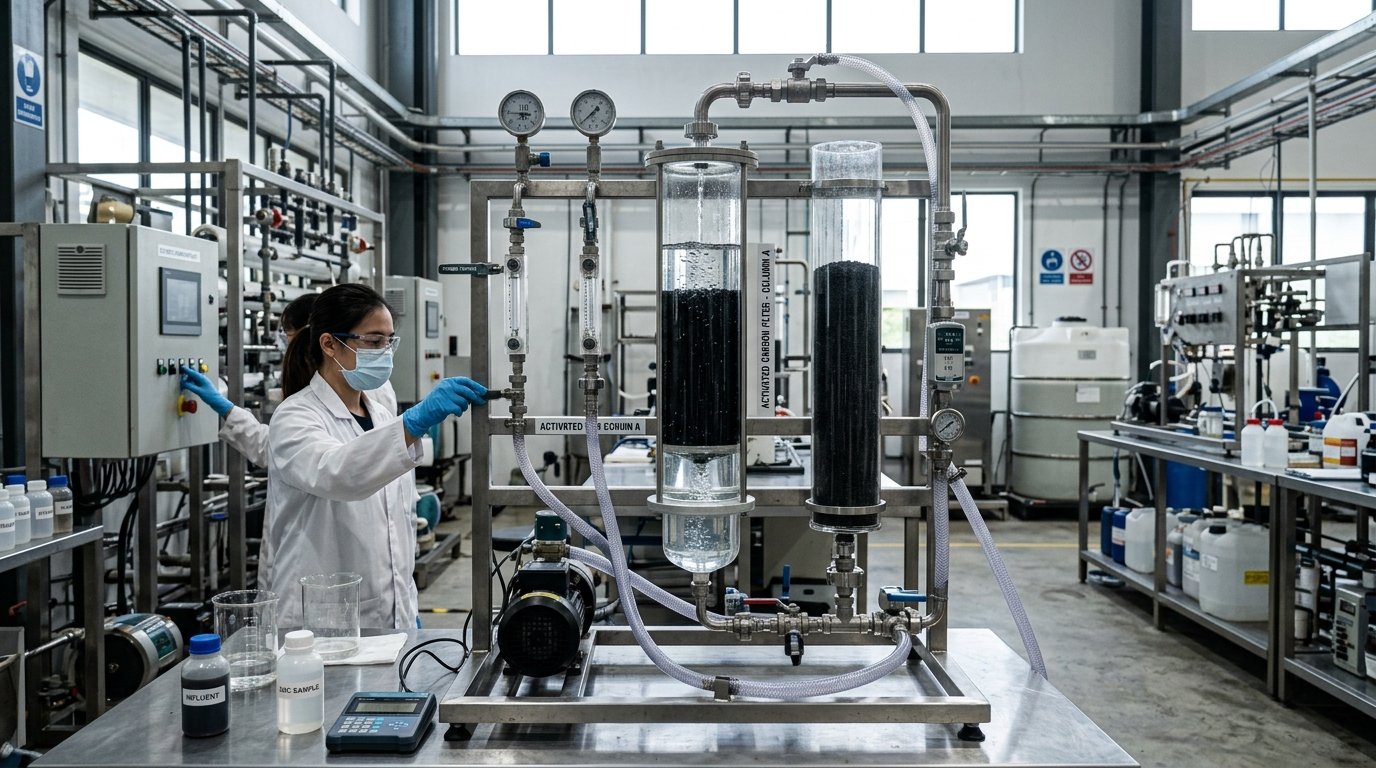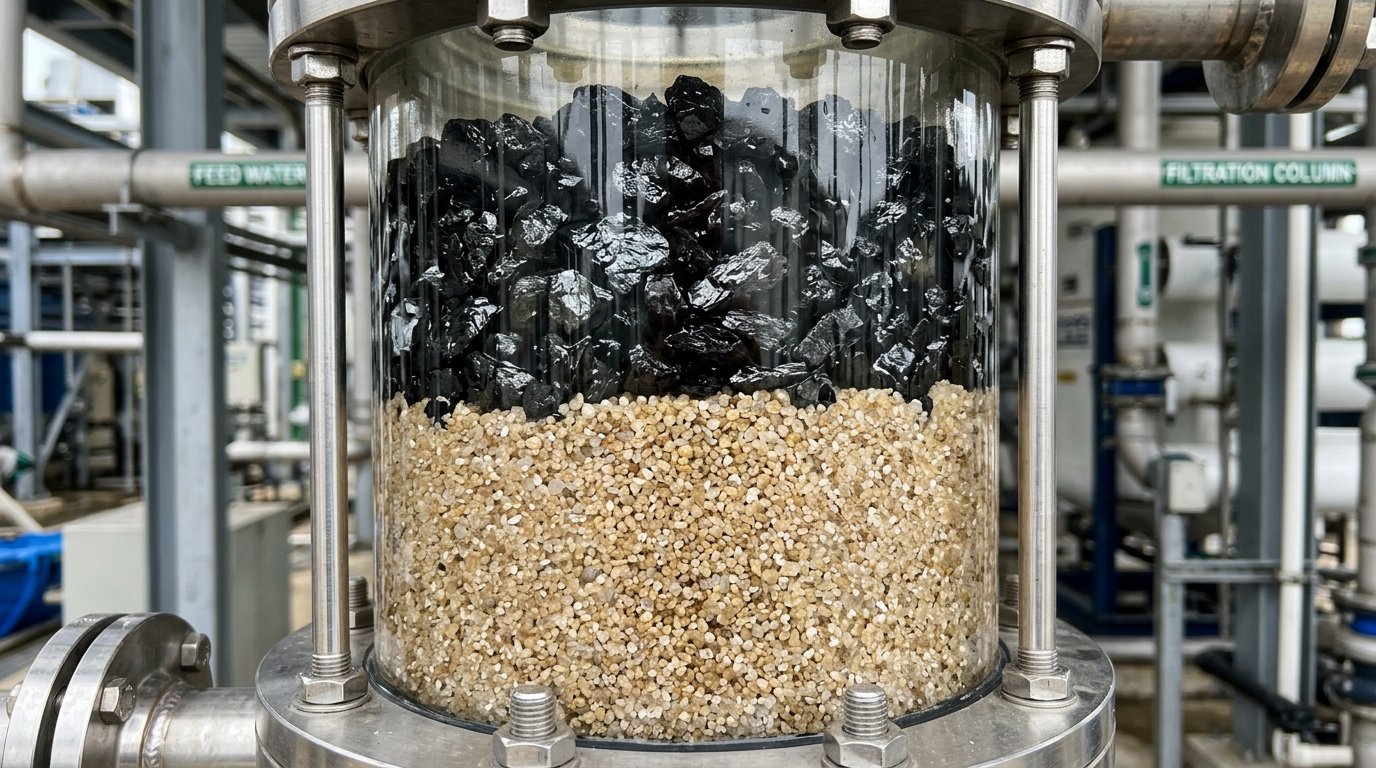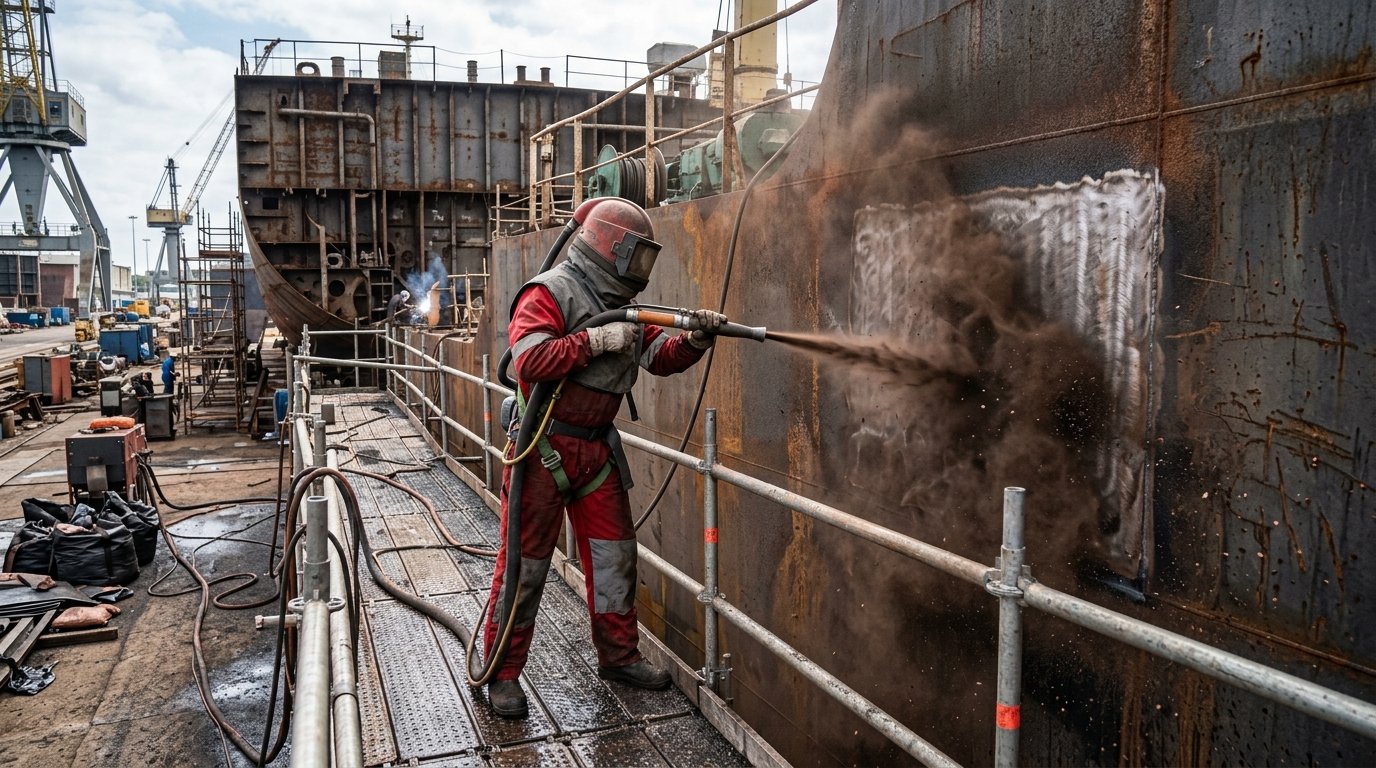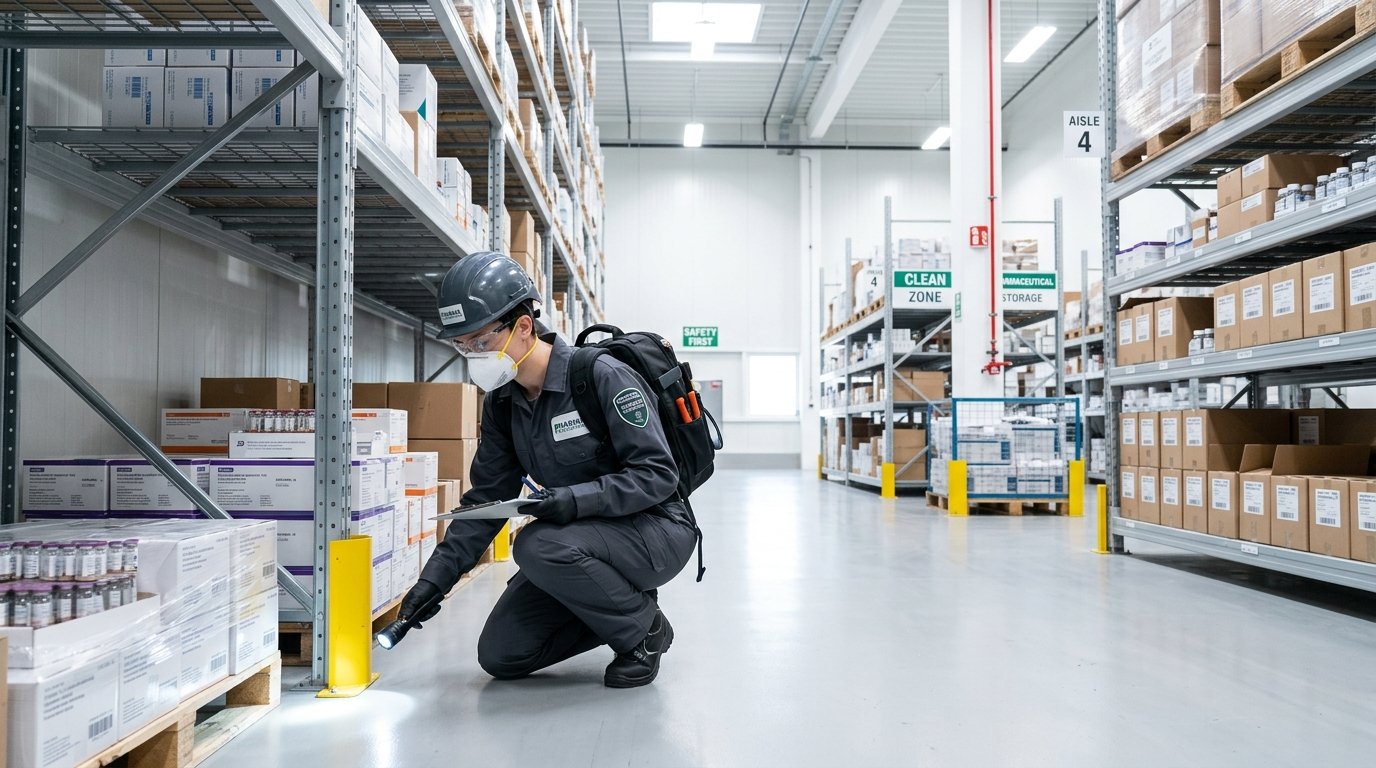
Activated carbon is not a single uniform material. The raw feedstock determines the internal pore size distribution (PSD), physical hardness, and optimal industrial suitability across diverse process streams.
Pore Classification & Feedstock Kinetics
- Coconut Shell Activated Carbon (Microporous < 2 nm): Dominant in pores under 2 nanometers. Highly selective for small molecules like free chlorine, trihalomethanes (THMs), radon, and cyanide gold complexes. Offers superior abrasion resistance (>98% ball-pan hardness) for high-pressure reverse osmosis pre-treatment and gold carbon-in-leach circuits.
- Coal-Based Activated Carbon (Mesoporous 2–50 nm & Macroporous): Possesses a broader range of pore diameters. Excels at adsorbing medium-to-large molecular weight color compounds, humic acids, and complex industrial waste solvents in chemical plants and air emissions systems.
- Wood-Based Carbon (Macroporous > 50 nm): Extremely fast decolorization kinetics for large molecular dye complexes, pharmaceuticals, and sugar syrups.
Summary Comparison
| Property | Coconut Shell Carbon | Coal Based Carbon |
|---|---|---|
| Primary Pore Structure | Micropores (< 2 nm) | Mesopores & Macropores |
| Typical Iodine Number | 900 – 1250 mg/g | 600 – 1050 mg/g |
| Mechanical Hardness | 98% - 99% (High) | 90% - 95% (Moderate) |
| Best Applications | Drinking water, RO pre-treatment, Gold CIL | Effluent COD, Vapor VOC, Solvent recovery |
Repuls Technical Consultation:
Our laboratory assesses your target contaminant and recommends the exact feedstock grade and mesh size.